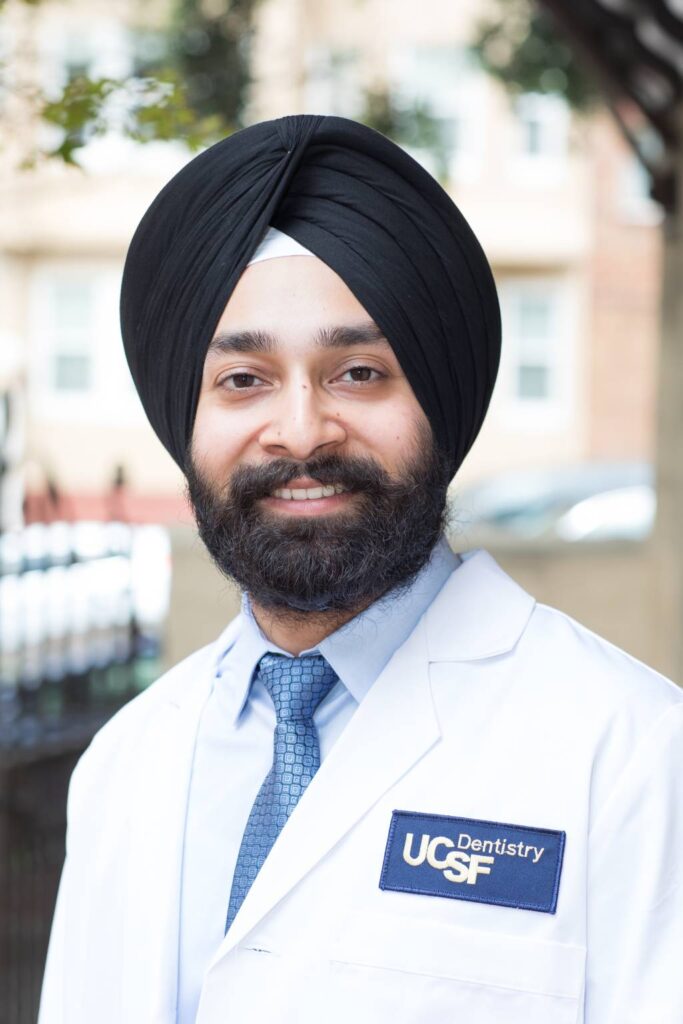
Dr. Sartaj Singh, a dedicated and compassionate dentist, has been serving the St. Louis community since 2015. With over a decade of dental education and experience, including advanced training from the University of California in San Francisco, Dr. Singh integrates science and art to deliver holistic and evidence-based dental care. He is committed to providing pain-free and comfortable treatments, ensuring every patient receives the highest quality care they deserve.
Welcome to Dental Partners of Creve Coeur. A unique practice in the heart of Creve Coeur, a practice where we understand that your smile says everything about you and also about us. That is why we are dedicated to providing you with the highest quality care and an enjoyable experience in everything we offer. Your satisfaction is our top priority.
Please call and make an appointment and let us show you how we care. Contact us at (314) 432-0960!
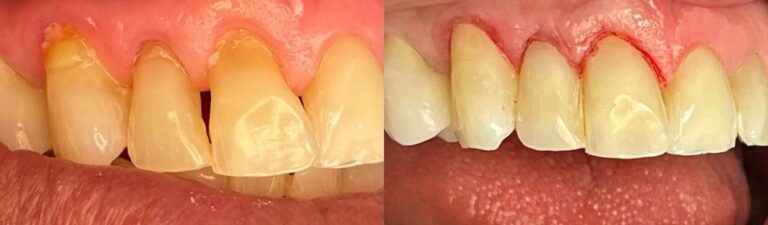
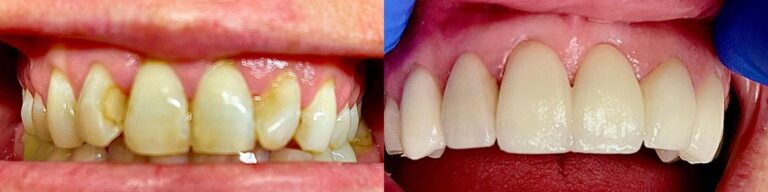
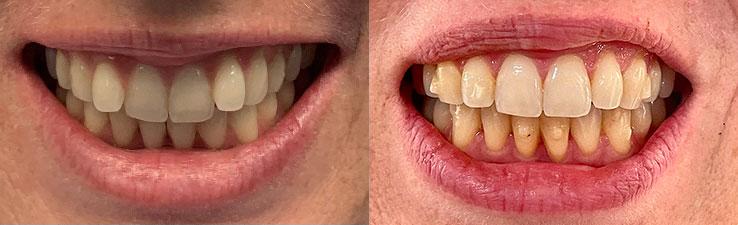
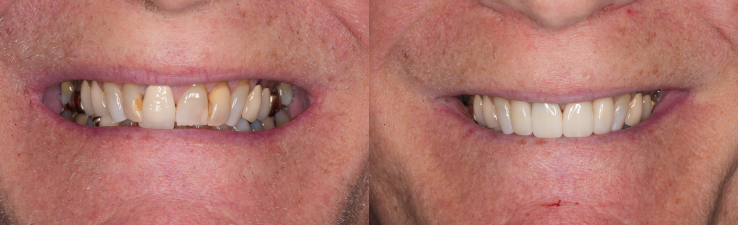

 Barbara F21 October 2025
Trustindex verifies that the original source of the review is Google.
I want to review Dr Singh and the whole practice because it is not often that a dental experience is so positive. I’ve been a patient in this practice for years, Dr Levi was great. Dr Singh now is following in the footsteps of Dr Levi’s excellent care. He explains what options are available, he works quickly, he gives injections for pain control without any discomfort. If you are worried about having dental work due to pain, don’t hesitate to see Dr Singh. I have had many dental procedures, and I am extremely grateful to see him now. His staff is welcoming, Appointments are easy to schedule and he follows up after procedure by texting if needed. Five stars. ADRIA W22 September 2025Dr Singh is the absolute best dentist!! I will never go anywhere else!
 Amarjit K19 March 2025Dr. Sartaj Singh is truly a top-tier dentist! His professionalism, attention to detail, and patient-centered approach make every visit a great experience. The staff is incredibly friendly, the office is spotless, and the advanced technology ensures high-quality care. I highly recommend Dental Partners of Creve Coeur for anyone looking for a trustworthy and skilled dentist!
 Miriam S26 December 2024Dr. Sartaj Singh was new to me, but I was in urgent need of immediate dental surgery, and placed my trust in his ability. Dr. Singh is what everyone needs in a dental surgeon. He listens carefully to my concerns. His work is excellent and speedy. His technique administering the local anesthesia was nearly painless. I have had numerous dental surgeries over decades due to chronic gum disease. I’m fortunate to have found a consummate professional in Dr. Singh. I trust his judgment and his skills completely.
 Nicole S14 December 2024Dr. Singh and everyone in his office are amazing. No one looks forward to going to the dentist but Dr. Singh and his team make it as enjoyable as possible. I went in with quite a lot of issues that needed to be addressed and he quickly put me on a path to recovery.
 Alexis R9 November 2024I have so much respect for Dr. Singh. He is warm, friendly, very thorough and a great dentist. He spends time before each appointment reviewing patient history so he’s prepared before walking in the exam room. He asks good questions about patient oral health, spends time talking to patients, and loves to show photos of his family. The staff at Delta Dental Partners of Creve Coeur all mirror Dr. Singh’s warmth and professionalism and make it fun to go to the dentist! I highly recommend Delta Dental Partners of Creve Coeur
 John f23 September 2024Great dentist!!
 Jenny P15 September 2023WOW! Best dentist and office care I've ever had. I came here after having a gut feeling that my previous dentist wasn't up to par, and I am so glad I did. If you aren't extremely confident in your dentist, definitely give Dr. Singh a try. I highly recommend him. Also, office support Kristy goes above and beyond.
 Peter W13 June 2022Dr. Levi has been my dentist for more than 30 years now. An excellent dentist who was previously teaching dentistry at Wash U., Dr. Levi is well-known for being fastidious in care of patients and developing patient-appropriate planning. I've met Dr. Graves as well. That Dr. Levi brought Dr. Graves on as a partner tells me that Dr. Graves will also provide this same level of care.
 Bryan S23 April 2021I hadn't been to the dentist in a few years, Dr. Graves was welcoming, calmed my fears, and took great care of me. If you're in need of a dentist, I highly recommend Dr. Graves!Google rating score: 5.0 of 5, based on 15 reviews
When you are new to our office, we put in the effort to provide you with a positive and comforting experience. Once you have been with us for a while, you can continue to expect the highest level of service. We focus on providing quality dental care, excellent customer service, and a relaxing environment to maintain a lasting patient relationship. We consider your first visit the start of a long-term relationship with you.
Bring a valid photo ID, your dental insurance card, and a list of any current medications or allergies. If you have recent X-rays from a previous dentist, bring those too – it saves time and avoids unnecessary repeat imaging. Plan to arrive about 10 minutes early to complete new patient paperwork. If you’d like to get a head start, visit our New Patients page where you can find forms and everything else you need to prepare.