

If you are comparing Invisalign vs veneers, you may already know you want to improve your smile, but you may not be sure which treatment fits your goals. Both options can enhance your smile, but they work in different ways. Invisalign is designed to move teeth into better alignment, while veneers are designed to improve the visible appearance of teeth.
For patients in St. Louis and Creve Coeur, the right choice often depends on what you want to change. If your teeth are crowded, spaced, or mildly misaligned, Invisalign may be the better starting point. If your concerns are more about tooth shape, size, chips, color, or symmetry, veneers may be a better fit.
Understanding the difference can help you have a more productive consultation with Dr. Sartaj Singh and feel more confident about your next step.
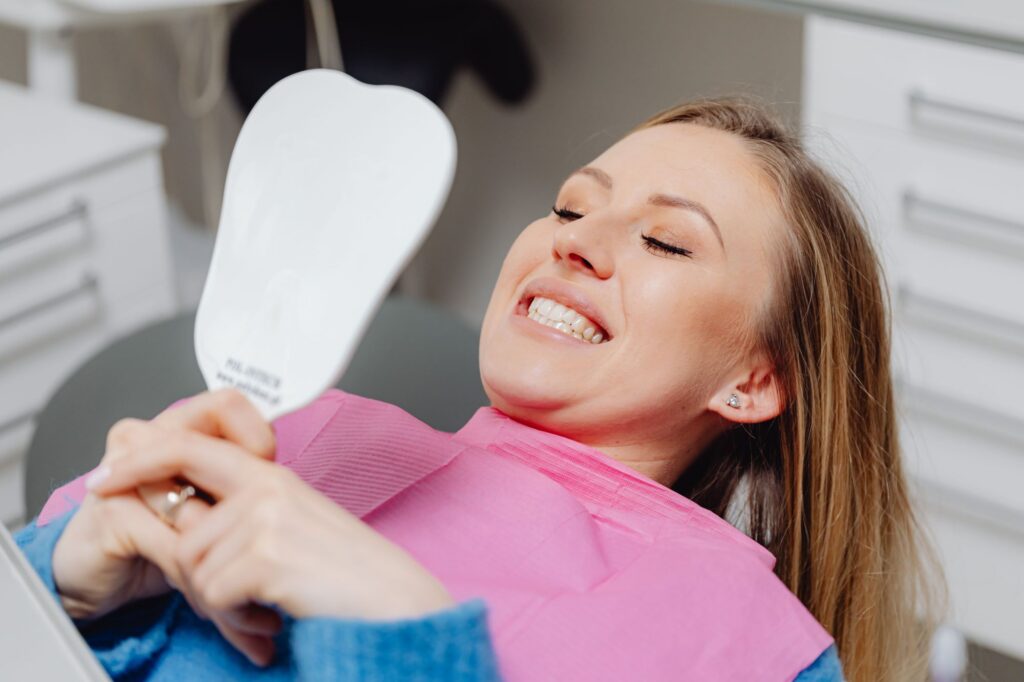
What Invisalign Is Designed to Do
Invisalign is an orthodontic treatment that uses clear, removable aligners to gradually shift teeth into better position. Instead of brackets and wires, patients wear a series of aligners that apply gentle pressure over time.
For patients who want a straighter smile without traditional braces, Invisalign treatment may help with concerns like crowding, spacing, mild bite issues, and teeth that have shifted over time.
The most important thing to know is that Invisalign changes the position of your teeth. It does not change the natural shape, size, or color of each tooth. If your main concern is that your teeth are crooked, crowded, or spaced, Invisalign may address the cause of the issue more directly.
What Veneers Are Designed to Do
Veneers are thin, custom-made shells that cover the front surface of teeth. They are used to improve cosmetic concerns related to tooth shape, color, size, length, and overall balance.
For patients with worn edges, chips, discoloration, small gaps, or uneven tooth shape, veneers may be part of the conversation. Veneers can create a more uniform smile without moving the teeth through orthodontic treatment.
Veneers do not correct alignment or bite issues in the same way Invisalign does. If teeth are significantly crowded or the bite needs attention, Dr. Singh may recommend addressing alignment first.
Invisalign vs Veneers: Quick Comparison
When comparing Invisalign vs veneers, it helps to look at the main differences clearly:
- Invisalign moves teeth into better alignment, while veneers cover the front surface of teeth to improve appearance.
- Invisalign may be best for crowding, spacing, shifting, or mild bite concerns.
- Veneers may be best for chips, worn edges, discoloration, uneven shapes, or cosmetic symmetry.
- Invisalign keeps your natural tooth surfaces unchanged, while veneers usually involve preparing the tooth surface.
- Invisalign requires consistent aligner wear over time, while veneers involve creating and placing custom restorations.
- Some patients may benefit from both treatments, depending on their alignment and cosmetic goals.
Neither option is automatically better. The right treatment depends on your teeth, bite, oral health, and what you want your smile to look like.
When Invisalign May Be the Better Choice
Invisalign may be a better choice if your main concern is the position of your teeth. If teeth overlap, rotate, crowd together, or have noticeable spaces, aligners may help create a healthier and more even arrangement.
Invisalign may also be a good starting point if you are thinking about cosmetic treatment in the future. Straightening the teeth first can create a better foundation and may make later cosmetic care more conservative.
This option is best for patients who are comfortable wearing aligners as directed. Because Invisalign depends on consistent wear, patient commitment plays an important role in the treatment process.
When Veneers May Be the Better Choice
Veneers may be a better fit if your teeth are already positioned fairly well, but you want to improve how they look. They are often considered when teeth appear chipped, worn, uneven, too small, discolored, or slightly misshapen.
For example, if one tooth looks shorter than the others or several front teeth have worn edges, veneers can help create a more balanced appearance. Veneers may also be considered when discoloration does not respond well to whitening.
If color is your main concern and you are happy with your tooth shape, professional teeth whitening may be discussed before veneers. Whitening can be a more conservative option for patients who simply want a brighter smile.
Can Invisalign and Veneers Be Combined?
Yes, some patients benefit from both Invisalign and veneers. In many cases, Invisalign is completed first so the teeth are in better position before veneers are considered.
This type of phased plan may be helpful if you want to improve both alignment and tooth appearance. Invisalign can address spacing or crowding, while veneers can later refine shape, symmetry, or color.
For patients with several cosmetic goals, a smile makeover may include a personalized combination of treatments. The goal is not to choose the most treatment possible. The goal is to choose the right treatment for your smile, health, and long-term needs.
How to Decide Which Option Fits Your Smile
A simple way to begin is to ask what bothers you most.
If you are unhappy with crooked teeth, crowding, spacing, or shifting, Invisalign may be the better first step. If you are more concerned with tooth shape, color, chips, or uneven edges, veneers may be more appropriate.
Still, many patients have more than one concern. That is why a consultation is important. Dr. Singh can evaluate your teeth, gums, bite, enamel, and cosmetic goals before recommending Invisalign, veneers, whitening, or a combined approach.
Cost can also vary based on the number of teeth involved, treatment complexity, oral health needs, and the personalized treatment plan. Insurance benefits and payment details should be reviewed directly with the dental team before beginning care.
Schedule a Consultation with Dental Partners of Creve Coeur
Invisalign and veneers can both improve your smile, but they are not interchangeable. Invisalign focuses on moving teeth into better alignment, while veneers focus on improving the visible appearance of the teeth.
If you are ready to compare your options, contact Dental Partners of Creve Coeur to schedule a consultation with Dr. Sartaj Singh.
FAQ
Is Invisalign better than veneers?
Invisalign is better for moving teeth into improved alignment. Veneers are better for changing the appearance of tooth shape, size, color, or symmetry.
Can veneers make crooked teeth look straight?
Veneers may improve the look of minor unevenness, but they do not move teeth. If teeth are crowded or rotated, Invisalign might be recommended first.
Should I get Invisalign before veneers?
If your teeth need to be moved, Invisalign is often considered before veneers. Better alignment can create a stronger foundation for cosmetic treatment.
Do veneers replace whitening?
Not always. If your main concern is tooth color, whitening may be discussed first. Veneers may be considered when shape, surface, or deeper color concerns also need attention.
How do I know which treatment I need?
A consultation is the best way to decide. Dr. Singh can evaluate your smile, bite, oral health, and goals before recommending the most appropriate option.